When brides imagine their dream wedding dress, they often focus on silhouette, neckline, or designer. However, fabric plays an equally important role in determining how a dress looks, feels, photographs, and moves throughout the wedding day.
The same silhouette can look completely different depending on whether it is made from satin, lace, chiffon, tulle, crepe, or organza. Understanding the strengths of each fabric can help you make a more informed decision and avoid disappointment during dress shopping.
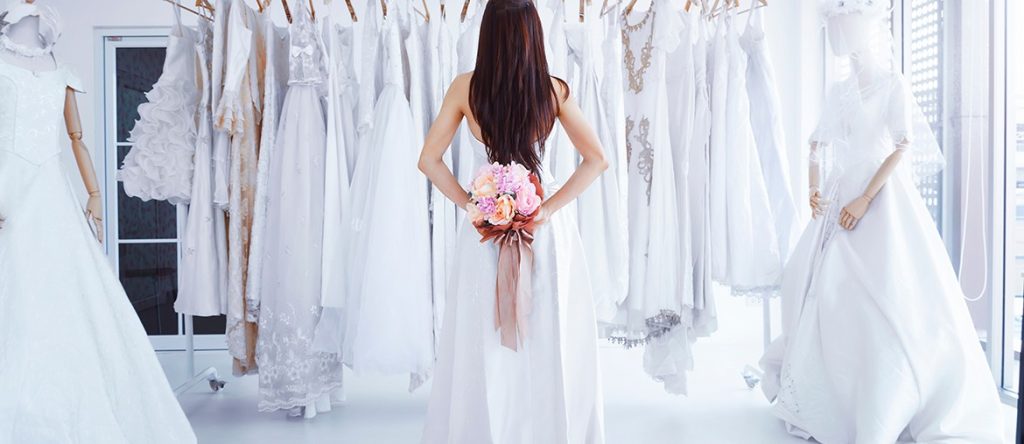
Why Fabric Matters More Than You Think
Fabric affects nearly every aspect of a wedding dress. It influences structure, comfort, weight, movement, and even how formal a gown appears.
A dramatic ballgown made from heavy satin creates a very different impression than one made from soft tulle. Likewise, a fitted crepe dress feels more modern and minimal than a similar silhouette covered in lace.
Choosing the right fabric ensures that your dress works not only with your style but also with your venue and season.
Satin: Classic and Elegant
Satin remains one of the most popular bridal fabrics because of its luxurious appearance and timeless appeal.
Brides often choose satin because it:
- Creates clean, elegant lines
- Holds structured silhouettes well
- Photographs beautifully
- Feels formal and sophisticated
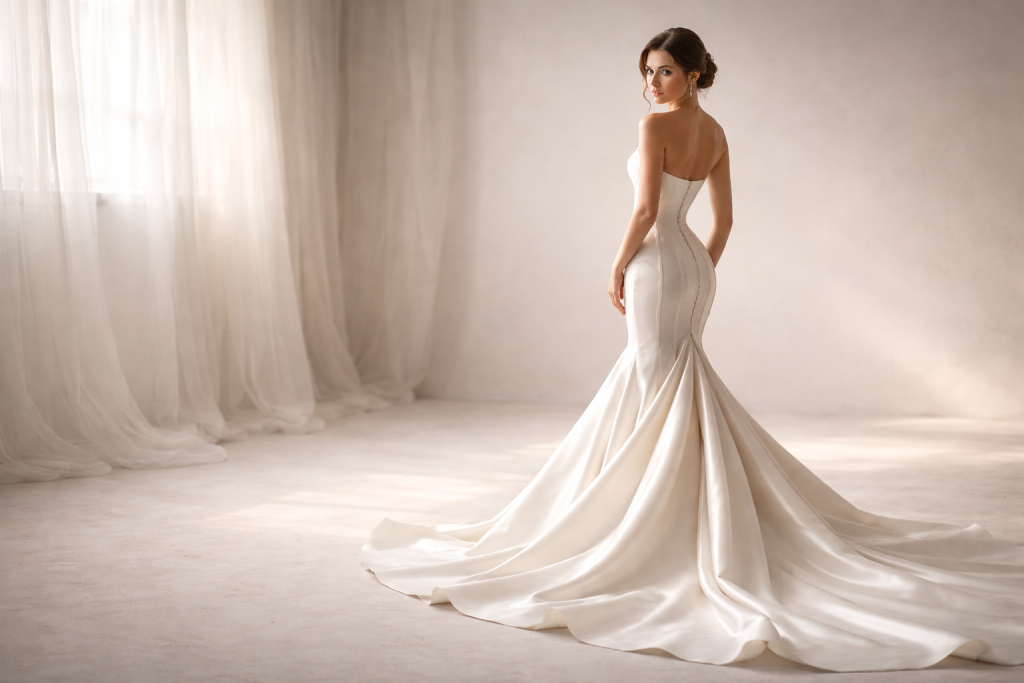
Satin works especially well for classic, modern, and traditional weddings.
However, it can feel heavier than lighter fabrics, making it less ideal for extremely hot climates.
Lace: Romantic and Timeless
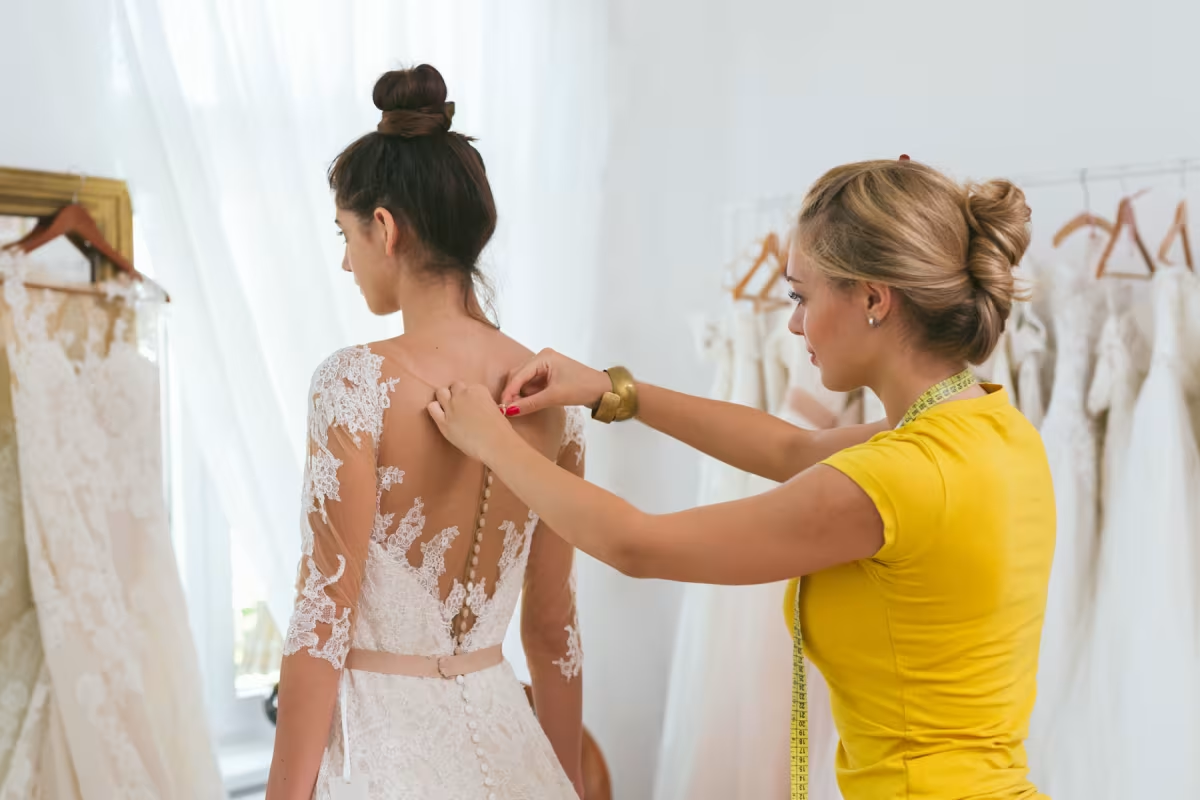
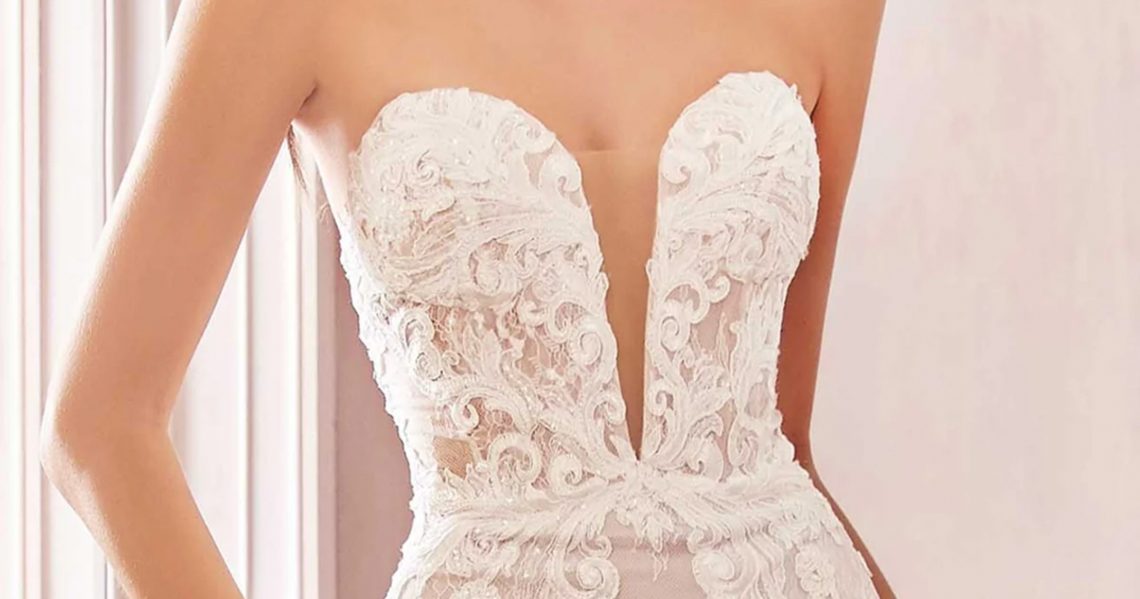
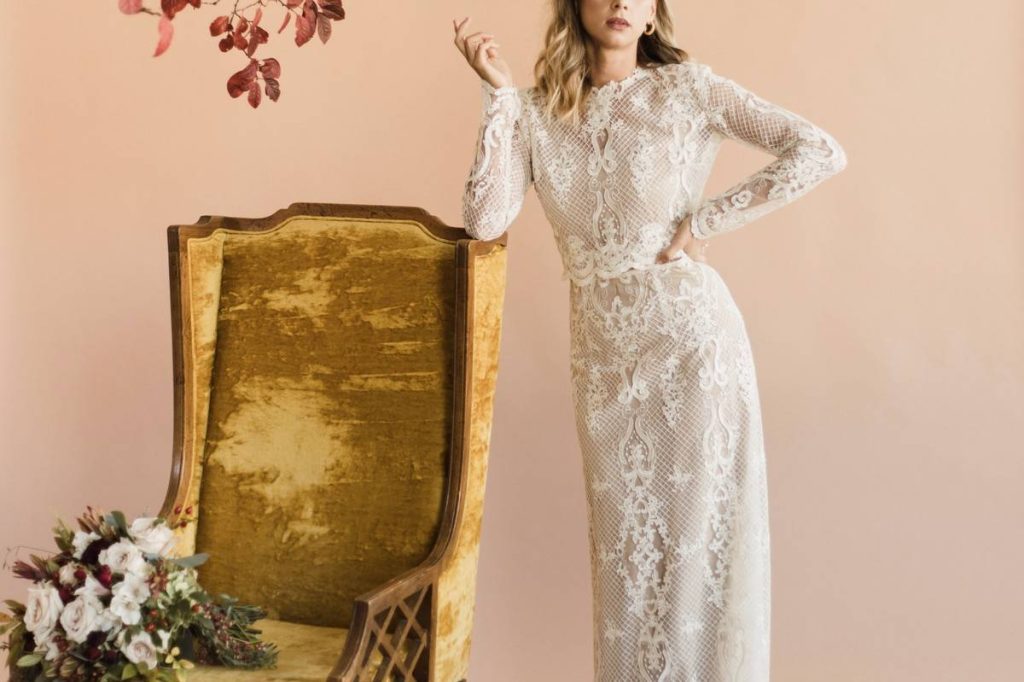
Lace is perhaps the most recognizable wedding dress fabric. It adds texture, detail, and romantic character to almost any gown.
Lace can appear:
- Vintage-inspired
- Bohemian
- Traditional
- Modern
Depending on the pattern and application, lace can dramatically change the personality of a dress.
Many brides appreciate lace because it creates visual interest without requiring heavy embellishment.
Chiffon: Light and Airy
Chiffon is known for its softness and movement. It is particularly popular for beach weddings, destination ceremonies, and outdoor celebrations.
Because chiffon is lightweight and breathable, it tends to be comfortable in warmer weather.
Its flowing nature creates a relaxed and effortless appearance that works especially well with romantic and bohemian aesthetics.
Crepe: Modern and Minimalist
Crepe has become increasingly popular among brides seeking contemporary elegance.
Unlike heavily textured fabrics, crepe offers a smooth surface and natural drape. This makes it an excellent choice for minimalist wedding dresses.
Crepe gowns often emphasize silhouette and tailoring rather than decoration, creating a clean and sophisticated bridal look.
Consider Your Venue and Season
The perfect fabric depends heavily on where and when your wedding takes place.
For example:
- Lightweight fabrics work well for summer weddings.
- Structured fabrics suit formal indoor venues.
- Layered fabrics provide warmth for cooler seasons.
- Breathable materials improve comfort outdoors.
Matching the fabric to the environment can significantly improve your experience on the wedding day.
Final Thoughts
Choosing a wedding dress fabric is about more than aesthetics. The right material influences comfort, movement, structure, and overall appearance.
By understanding how different fabrics behave, you can select a dress that not only looks beautiful but also feels appropriate for your venue, season, and personal style.