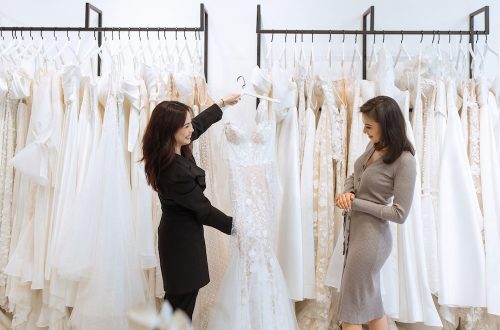
One of the biggest mistakes brides make isn’t choosing the wrong wedding dress—it’s waiting too long to begin shopping. Unlike regular clothing, most wedding dresses aren’t available for immediate purchase. Designer gowns are often made to order, alterations require multiple appointments, and unexpected delays can occur throughout the process.
Understanding the wedding dress timeline helps eliminate unnecessary stress and gives you enough time to explore different styles, compare designers, and ensure your gown fits perfectly before your wedding day. Whether you’re planning a grand celebration or an intimate ceremony, starting at the right time allows you to enjoy the experience instead of rushing through important decisions.
This guide walks you through every stage of the bridal shopping journey, from your first appointment to picking up your finished gown.
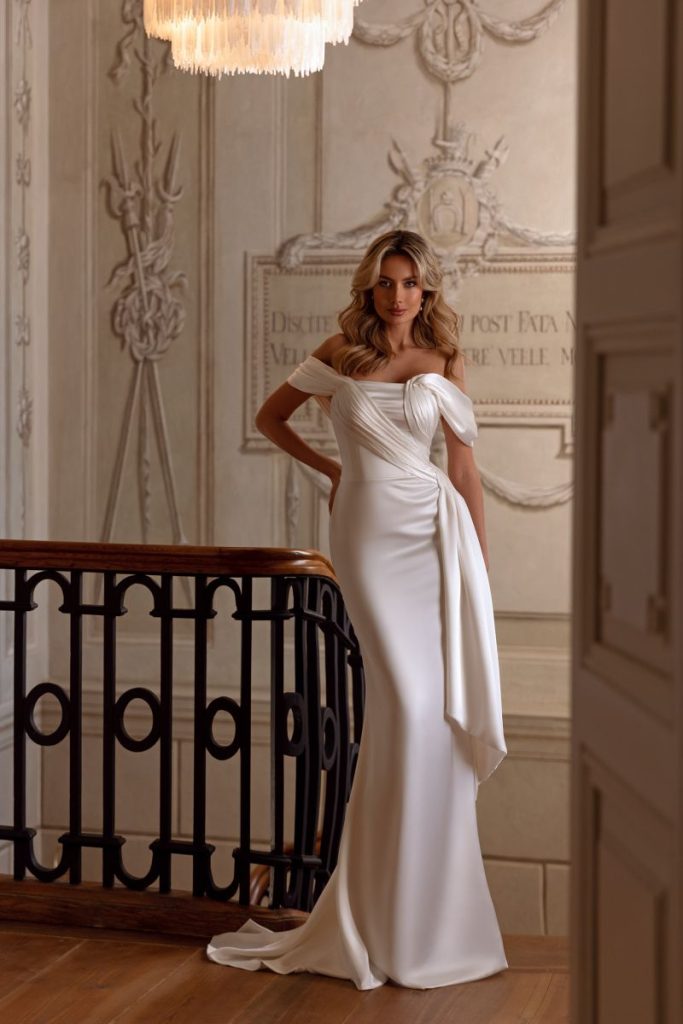
12–14 Months Before the Wedding: Start Gathering Inspiration
Long before you visit your first bridal boutique, spend some time discovering what styles you naturally gravitate toward.
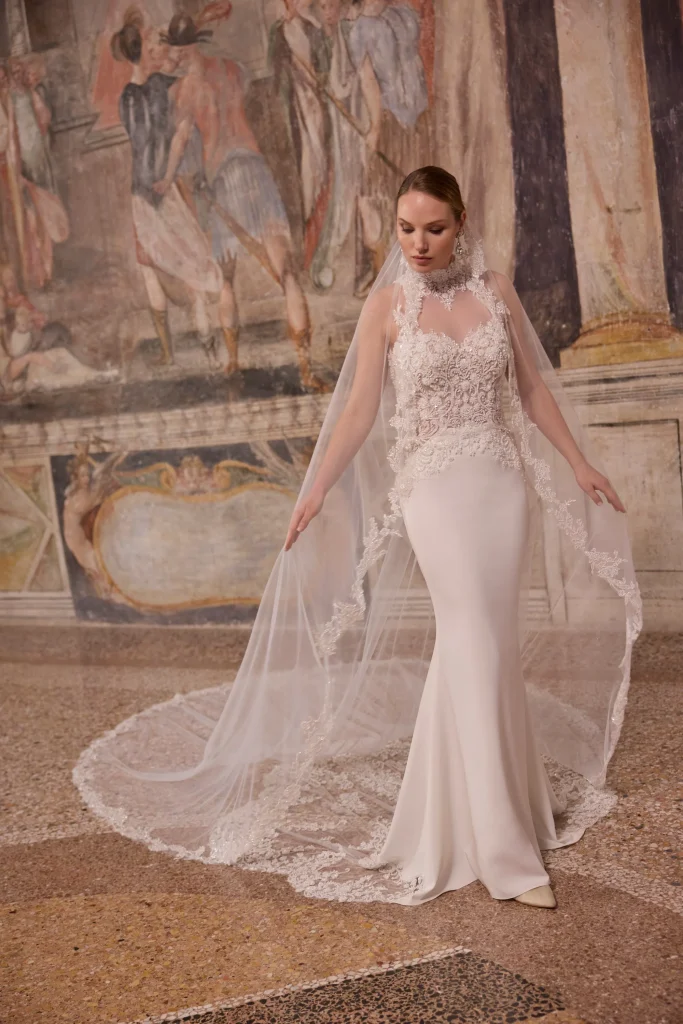
Browse bridal magazines, Pinterest, designer collections, and wedding blogs. Save dresses that immediately catch your attention and look for common elements such as silhouettes, necklines, fabrics, sleeve styles, or decorative details.
At this stage, avoid focusing on one specific gown. Instead, identify the overall aesthetic you love, whether that’s minimalist, romantic, glamorous, bohemian, classic, or modern.
If you’ve already chosen your venue, keep its atmosphere in mind while building your inspiration board.
10–12 Months Before: Begin Wedding Dress Shopping
Most bridal consultants recommend scheduling your first appointments about a year before your wedding.
This provides enough time to compare boutiques, explore different designers, and try on a variety of silhouettes without feeling pressured.
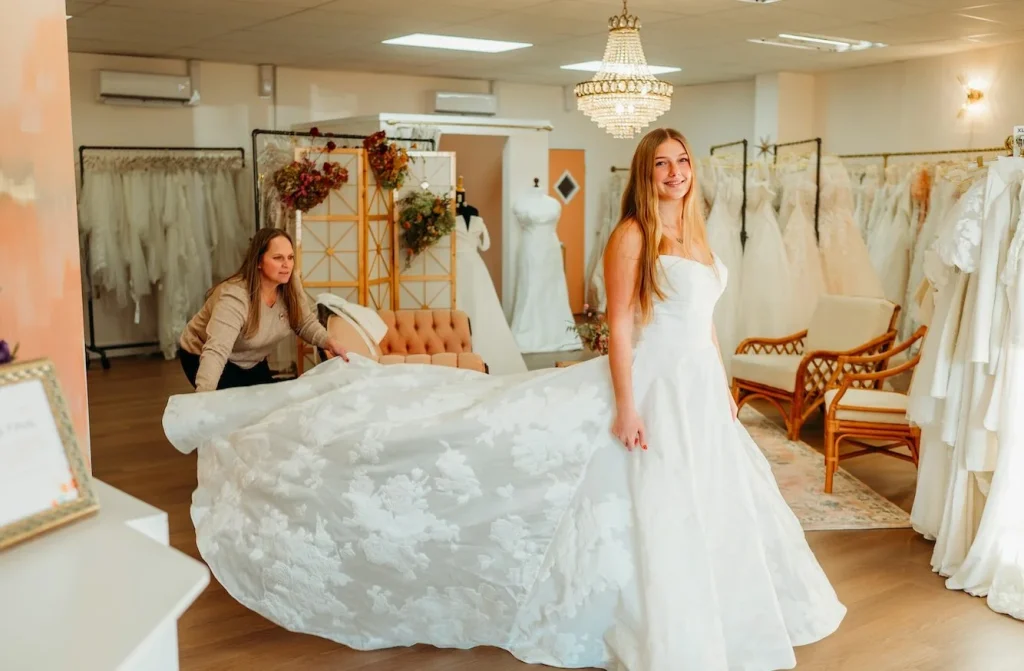
During your appointments, keep an open mind. Many brides ultimately choose a style they never expected to love.
Once you’ve found the right dress, placing your order early ensures the best selection and reduces the likelihood of rush fees.
8–10 Months Before: Place Your Dress Order
Designer wedding dresses usually require several months for production.
Depending on the brand, customization, and season, manufacturing may take anywhere from four to eight months. International shipping, quality inspections, and boutique processing can also add additional time.
Ordering early provides peace of mind and allows flexibility if unexpected delays occur.
If your wedding date is approaching quickly, ask your boutique whether rush production is available. While this can often solve timing issues, it may involve additional costs.
3–4 Months Before: Plan Your Accessories
Once your gown has been ordered, it’s the perfect time to complete the rest of your bridal look.
Begin selecting:
- Wedding shoes
- Veil
- Jewelry
- Hair accessories
- Bridal cape or jacket
- Undergarments
- Shapewear if needed
Having these items ready before alterations ensures your tailor can achieve the most accurate fit and hem length.
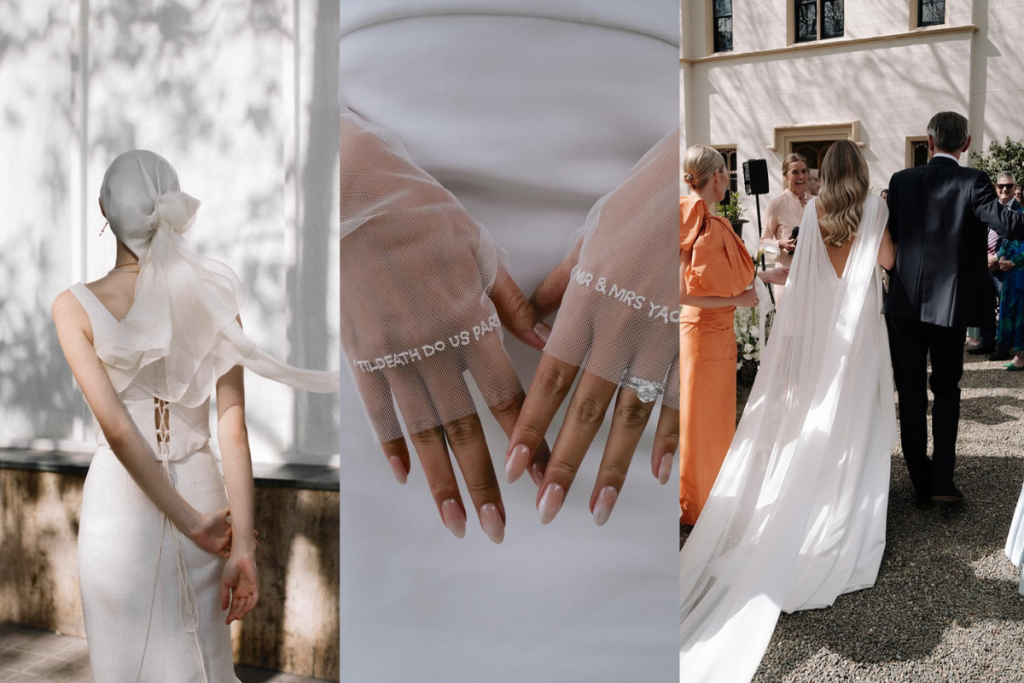
Accessories should complement your dress rather than compete with it. Keeping everything together early also prevents last-minute shopping stress.
8–10 Weeks Before: Schedule Your First Alteration
When your dress arrives, schedule your first fitting as soon as possible.
Very few wedding dresses fit perfectly straight from the boutique. Professional alterations almost always include adjustments to the hem, bodice, straps, sleeves, bust, waist, or bustle.
Bring your wedding shoes and the undergarments you plan to wear on your wedding day. Even a small difference in heel height can affect the final length of the gown.
The first fitting also gives you the opportunity to discuss any custom changes you may want.
4–6 Weeks Before: Second Fitting
Your second appointment focuses on refining the fit.
The tailor will evaluate the adjustments made during the first fitting and make any necessary refinements.
This is also the time to practice walking, sitting, and moving comfortably in your dress. If your gown includes a long train, ask someone to demonstrate how the bustle works so it can be secured easily after the ceremony.
Don’t hesitate to speak up if something feels uncomfortable. Minor adjustments at this stage can make a significant difference on your wedding day.
1–2 Weeks Before: Final Fitting and Pick-Up
The final fitting is your last opportunity to confirm that everything fits exactly as expected.
Carefully inspect your gown for loose buttons, missing beads, wrinkles, or any other small details that may require attention.
Before leaving the boutique, make sure you know:
- How to transport the dress safely
- How to store it before the wedding
- Whether steaming is recommended
- How to fasten any complex closures or bustle
Ask for a garment bag if one isn’t already included.
Wedding Week: Keep Your Dress Safe
During the final week before the wedding, avoid removing the dress from its protective garment bag unless necessary.
Hang it in a cool, dry room away from direct sunlight, pets, and moisture. If travel is required, discuss transportation recommendations with your bridal boutique.
If the gown becomes slightly wrinkled, professional steaming is usually safer than attempting to iron delicate fabrics at home.
Taking proper care of your dress during these final days helps ensure it looks flawless when it’s time to walk down the aisle.
Frequently Asked Questions
When should I start shopping for my wedding dress?
Most brides should begin shopping around 10–12 months before the wedding to allow enough time for ordering and alterations.
How long do wedding dress alterations take?
Most alteration schedules span between six and eight weeks, although complex changes may require additional appointments.
Can I buy a dress six months before my wedding?
Yes, although your selection may be more limited. Ask boutiques about rush orders or sample dresses if you’re working with a shorter timeline.
What if I’ve already planned my wedding in less than six months?
Many boutiques offer off-the-rack gowns or expedited production options. While flexibility may be reduced, finding a beautiful dress is still absolutely possible.
Final Thoughts
Planning your wedding dress timeline well in advance transforms the entire shopping experience from stressful to enjoyable. Beginning early gives you time to explore designers, compare styles, schedule thoughtful alterations, and build a complete bridal look without unnecessary pressure.
Rather than worrying about deadlines, you can focus on finding a gown that truly reflects your personality and makes you feel confident. With a well-organized timeline, every fitting becomes an exciting step toward your wedding day instead of a race against the calendar.