Introduction to Wedding Veils in 2026
Wedding veils remain the quintessential bridal accessory, adding romance, tradition, and a touch of mystery to the bride’s look. In 2026, veils have evolved beyond traditional styles to include modern, minimalist, and even bold statement pieces that complement every dress silhouette and wedding style.
The resurgence of veil-wearing represents a shift back to timeless elegance, even as modern brides opt for unconventional materials, asymmetrical cuts, and personalized designs that reflect their individual style rather than adhering to rigid tradition.


The Psychology of Wearing a Veil
For many brides, the veil symbolizes the transition from maiden to married woman. Modern interpretations suggest the veil represents: – Privacy and sacred transition during the ceremony – Tradition and family connection across generations – Romance and femininity without sacrificing contemporary style – Personal choice in how to express bridal identity
Approximately 72% of US brides wear some form of veil or hair piece, according to 2026 bridal industry data.
Types of Wedding Veils by Length
Birdcage Veil (10-15 inches)
Perfect for: Cocktail weddings, city hall ceremonies, vintage looks, reception entrances
Pros: – Ultra-lightweight and comfortable – Elegant, sophisticated appearance – Works with any hairstyle – Easy to reposition or remove quickly – Photograph beautifully in close-ups
Cons: – Limited coverage – Less dramatic effect than longer veils – May feel too subtle for traditional ceremonies

Styling recommendations: Pair with vintage dress styles, minimal jewelry, sleek hairstyles
Price range: $50-$250
Trending materials: Silk illusion, French lace, metallic threads for sparkle
Shoulder-Length Veil (20-24 inches)
Classic choice for formal ceremonies and timeless weddings
Works best with: – A-line silhouettes – Sweetheart necklines – Modest dress embellishments – Indoor formal venues
Length impact: Falls gracefully to shoulders, creates elegant frame without overwhelming
Price range: $75-$300
2026 updates: Modern shoulder-length veils feature: – Asymmetrical hemlines – Layered tulle for texture – Blush and champagne tones (not just white/ivory) – Subtle beading at edges
Fingertip Veil (36-40 inches)
Most popular length in 2026 — elegant without overwhelming
Key statistics: – Chosen by approximately 45% of US brides – Works with 90% of dress silhouettes – Ideal for most wedding venues – Flatters most body types
Best paired with: – Ballgown silhouettes – Sheath dresses – Mermaid cuts – Any formal ceremony venue
Styling advantages: – Creates visual elongation – Photographs beautifully from multiple angles – Transitions well from ceremony to reception – Dramatic without excessive fabric
Price range: $100-$400
Popular fingertip veil styles 2026: – Layered tulle for volume – Lace edge details – Ombré coloring (white to blush gradient) – Appliqué and beaded embellishments
Waltz Veil (46-60 inches)
Perfect for reception dancing and wedding day photography
Best for: – Brides who want a dramatic effect – Garden and outdoor ceremonies – Venues with high ceilings – Fashion-forward brides
Practical considerations: – Requires careful movement when walking/dancing – May need assistance to manage throughout day – Creates stunning ceremony visuals – Excellent for professional photography
Price range: $150-$500
Trending waltz veil details: – Detachable options for reception removal – Layered construction for movement and dimension – Pearl or crystal beading for sparkle – Blush, champagne, and ivory color options
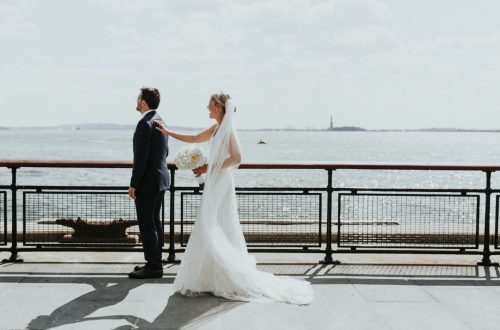
Cathedral Veil (72+ inches)
Dramatic statement for church ceremonies and formal affairs
Reserved for: – Formal church ceremonies – Grand ballroom weddings – Brides seeking maximum drama – Elaborate dress silhouettes (ballgowns, princess styles)


Considerations: – Requires train bearer or helper during ceremony – Excellent for processional photography – Limited mobility during reception – Most often worn just for ceremony
Customization options: – Split cathedral for easier movement – Detachable options for reception – Lace inlays matching dress details – Monogrammed or personalized edges
Wedding Veil Materials and Fabrics
Tulle
Characteristics: – Lightweight, flowing, romantic – Available in various weights (soft, medium, stiff) – Ranges from sheer to structured – Most affordable veil material
Best for: – Romantic and classic wedding styles – Brides prioritizing comfort – All dress silhouettes – Various venues and weather conditions
Price range: $50-$300
Types of tulle: – Soft tulle – delicate, ethereal appearance, easier movement – English tulle – structured, holds shape well, photographs beautifully – Illusion tulle – nearly invisible, creates seamless effect
Lace
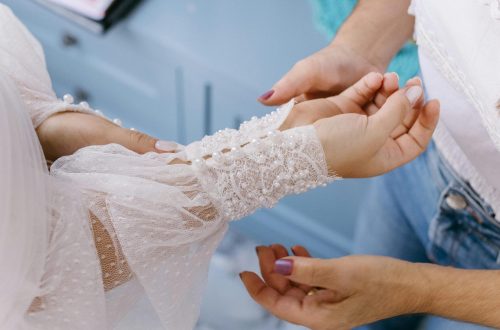
Characteristics: – Romantic, vintage-inspired appearance – More formal and ornate than tulle – Matches dress lace for cohesive look – Requires delicate handling
Popular lace types for veils: – French lace – delicate patterns, vintage inspiration – Chantilly lace – romantic, traditional – Alençon lace – ornate, formal – Corded lace – bold texture, contemporary edge
Best for: – Vintage and romantic wedding styles – Lace dress coordination – Statement-making brides – Formal ceremonies
Silk
Characteristics: – Luxurious, sophisticated appearance – Rare in veil construction (usually silk blend) – Premium pricing – Requires professional care
Benefits: – Elegant sheen – Drapes beautifully – Photographs excellently – Investment-quality piece
Blush and Colored Tulle
2026 Trend: Moving beyond traditional white/ivory
Popular colors: – Blush (soft pink) – most popular trend – Champagne (golden-toned ivory) – Soft gray – Pale gold – Ivory with colored edges
Why colored veils are trending: – Adds subtle personality and modern twist – Complements various skin tones better than pure white – Creates depth in photography – Coordinates with unconventional dress colors
Price impact: Colored veils typically $25-$50 more than white
How to Match Veil to Your Wedding Dress
Matching by Dress Silhouette
Coordinating Veil with Dress Neckline
- Illusion neckline: Veil can coordinate with neckline lace
- Sweetheart neckline: Soft tulle veils frame beautifully
- Strapless: Birdcage or shoulder veil adds neck interest
- High neck: Minimal veil or omit entirely
- Off-shoulder: Shoulder-length or fingertip veil works well
Dress Embellishment Consideration
Heavily beaded/embellished dress: – Opt for simple, understated veil – Let dress be the focal point – Choose clean tulle without added details
Minimalist dress: – Statement veil adds visual interest – Lace-detailed veil complements simplicity – Color or texture becomes artwork
Veil Styling and Attachment Methods
Hair Attachment Methods
Comb Attachment
Most secure option – Comb sewn to veil back – Slides into hairstyle – Best for updos or styled hair – Least visible in final look
How to use: 1. Create base hairstyle 2. Tease hair gently at attachment point 3. Slide comb into teased section 4. Secure with bobby pins 5. Style surrounding hair to camouflage
Clips
Versatile and adjustable – Allows precise veil positioning – Works with various hairstyles – Can reposition if needed – Multiple clips provide stability
Best for: – Half-up, half-down hairstyles – Varying hair thicknesses – Brides who want to reposition veil
Hairpins
Traditional approach – Discreet attachment method – Secures veil directly to hair – Requires strong hairpins and spray – Less visible than combs or clips
Setup process: 1. Place veil on head 2. Push hairpins through veil backing 3. Secure pins into styled hair 4. Use hairspray for extra hold
Headpiece Base
Modern option for statement veils – Decorative base (tiara, crown, comb base) – Veil attaches to decorative element – Creates dramatic, intentional look – Excellent for photography
Veil Removal Timeline
During Ceremony: – Wear veil for entire processional – Keep veil on during vows – Some traditions: groom lifts veil during kiss – Remove before recessional or keep on (personal choice)
Reception Entrance: – Many brides keep veil on for first dance – Remove after first dance for mobility – Some brides keep on throughout reception
Practical considerations: – Have designated helper to manage veil – Safety-pin veil to dress to prevent snagging – Plan removal strategy with wedding planner – Consider detachable veil option for seamless transition
Veil Care and Longevity
Storage Before Wedding Day
- Keep veil in garment bag or box
- Avoid crushing or creasing
- Store away from heat and sunlight
- Maintain distance from heavy perfumes or sprays
Handling on Wedding Day
- Apply veil after dress is fully on
- Avoid contact with:
- Perfume (can yellow tulle)
- Hairspray (may stain or stiffen)
- Makeup and cosmetics
- Food and beverages
Post-Wedding Preservation
Heirloom preservation: – Professional cleaning ($75-$300) – Archival storage box – Climate-controlled environment – Avoid plastic containers (traps moisture)
Cost-effective storage: – Gentle hand washing – Acid-free tissue wrapping – Cool, dry location – Periodic inspection for damage
Popular Bridal Veil Designers
Luxury Designers ($300+)
- Monique Lhuillier – couture lace veils, custom designs
- Vera Wang – minimalist and statement options
- Marchesa – ornate, fashion-forward veils
Mid-Range Bridal ($100-$300)
- David’s Bridal – extensive selection, affordable
- BHLDN by Anthropologie – curated, trendy options
- Maggie Sottero – quality construction, various lengths
Affordable Options ($50-$150)
- Amazon Bridal – wide selection, fast shipping
- Etsy bridal shops – unique, personalized designs
- Local seamstresses – custom creations at lower prices
2026 Wedding Veil Trends
Detachable Veils
Emerging trend: Ceremony veil that detaches for reception
Advantages: – Ceremony formality maintained – Reception mobility improved – One accessory serves dual purpose – Professional seamstress can customize
Asymmetrical Designs
Modern alternative to traditional straight hemline – One side longer than other – Angular, contemporary appearance – Works with modern dress styles – Creates unique visual interest
Layered Tulle
Textural depth and movement – Multiple layers of varying opacity – Creates dimension in photography – Adds sophistication to simple veils – Trending in all length categories
Colored and Ombré Veils
2026’s most significant trend shift – Blush, champagne, soft gray options – Gradient color transitions – Subtle personality addition – Coordinates with unconventional dress colors
Minimal Illusion Veil
Barely-there elegance – Nearly invisible netting – Modern, sophisticated approach – Works with all dress styles – Focuses attention on bride’s face
Beaded and Crystal Details
Statement-making embellishment – Scattered crystals or pearls – Coordinating dress beadwork – Adds sparkle and movement – Premium pricing ($200+)
Alternative to Traditional Veils
For brides who prefer not to wear veils, 2026 offers popular alternatives:
Hair Accessories
- Decorative combs – jeweled, metallic, minimalist
- Hair pins – statement or subtle
- Crowns and tiaras – ranging from delicate to dramatic
- Floral crowns – romantic, garden wedding aesthetic
Hats and Headwear
- Vintage-inspired hats – 1920s cloche, wide-brimmed
- Fascinators – cocktail elegance
- Headbands – modern, architectural
Jewelry-Based Styling
- Focus on statement earrings and necklace
- Elaborate hairstyle without veil
- Forehead jewelry or bindi-inspired pieces
- Hair jewelry and chains
No Headpiece (Popular Trend)
- Clean, minimalist bridal aesthetic
- Hair as sole accessory focus
- Slicked back, voluminous, braided, or textured
- Growing trend among modern brides (20-30% of 2026 weddings)
Common Veil Mistakes to Avoid
❌ Choosing veil before dress – mismatched proportions
❌ Ignoring venue – cathedral veil in intimate ceremony feels overdone
❌ Wearing untested veil before wedding – attachment surprises on big day
❌ Neglecting hair coordination – weak attachment compromises entire look
❌ Selecting veil that competes with dress – visual overload
❌ Forgetting practical removal plan – awkward transitions during reception
❌ Choosing color without skin tone consideration – unflattering tone against face