Vintage wedding dresses offer a captivating journey through fashion history, allowing modern brides to embody the elegance and sophistication of bygone eras while celebrating their unique love story. In 2026, vintage-inspired bridal fashion has reached new heights of popularity, with brides embracing everything from Art Deco glamour to 1950s romance.
The Enduring Appeal of Vintage Wedding Dresses
Why Vintage Never Goes Out of Style
Vintage wedding dresses represent more than just fashion choices – they embody timeless design principles that have proven their staying power across decades. These gowns offer brides the opportunity to wear pieces that tell stories, celebrate craftsmanship, and stand apart from contemporary trends.
Historical significance adds depth and meaning to wedding attire, allowing couples to honor fashion heritage while creating their own modern love story.
Superior construction techniques from past eras often surpass modern mass production methods, resulting in gowns that fit better, last longer, and feel more luxurious.
Unique design details that are difficult to find in contemporary bridal fashion make vintage gowns perfect for brides seeking truly distinctive looks.
The Psychology of Vintage Choice
Choosing vintage reflects a bride’s appreciation for quality, history, and individual expression rather than following current trends. This choice often indicates:
- Confidence in personal style and resistance to fashion conformity
- Appreciation for craftsmanship and attention to detail
- Environmental consciousness through sustainable fashion choices
- Connection to family history and generational traditions
Iconic Vintage Eras in Bridal Fashion
1920s: The Jazz Age Elegance
The Roaring Twenties revolutionized bridal fashion with dropped waistlines, beaded details, and a newfound sense of freedom that reflected the era’s social changes.
Defining characteristics:
- Dropped waist silhouettes that fell at the hip rather than natural waist
- Intricate beadwork and sequins creating art deco patterns and geometric designs
- Shorter hemlines ranging from tea-length to just below the knee
- Headpieces and veils featuring dramatic details and jeweled accents
- Straight, columnar silhouettes that de-emphasized curves in favor of elegant lines

Modern interpretation tips:
- Look for dresses with geometric beadwork or art deco motifs
- Consider headband-style accessories with vintage-inspired details
- Choose T-bar or Mary Jane shoes to complete the 1920s aesthetic
- Opt for finger waves or sleek bob hairstyles
Best for: Brides who love old Hollywood glamour, art deco venues, intimate ceremonies
1930s: Depression-Era Romance
Despite economic hardship, 1930s bridal fashion emphasized romance and femininity with bias-cut gowns that celebrated the female form through expert draping rather than expensive embellishments.
Key elements:
- Bias-cut construction that created flowing, figure-hugging silhouettes
- Longer lengths returning to floor-length hemlines for elegance
- Minimal embellishment focusing on beautiful fabrics and expert cutting
- Fitted bodices with flowing skirts that moved gracefully
- Cape and train details adding drama without excessive cost
Contemporary applications:
- Silk charmeuse and crepe fabrics that drape beautifully
- Subtle art deco jewelry that doesn’t overwhelm the dress
- Side-swept hairstyles with soft waves
- Classic pointed-toe pumps or T-bar shoes
Perfect for: Sophisticated brides, evening ceremonies, classic venues
1940s: Wartime Practicality and Post-War Celebration
The 1940s brought both wartime austerity and post-war celebration to bridal fashion, creating two distinct looks that continue to influence modern brides.
War years (1940-1945):
- Shorter lengths to conserve fabric during rationing
- Simplified silhouettes with minimal embellishment
- Practical fabrics that could be worn for other occasions
- Subtle details like covered buttons and simple necklines
- Suits and separates for practical post-ceremony wear
Post-war celebration (1946-1949):
- Return to luxury with fuller skirts and elaborate details
- Nipped waists emphasizing feminine silhouettes
- Rich fabrics including satin, silk, and fine laces
- Romantic details like sweetheart necklines and delicate sleeves
Modern styling:
- A-line silhouettes with fitted bodices
- Victory roll hairstyles or soft pin curls
- Red lipstick for a classic 1940s beauty look
- Seamed stockings and classic pump shoes
Ideal for: Vintage enthusiasts, themed weddings, brides who appreciate historical significance
1950s: The Golden Age of Bridal Fashion
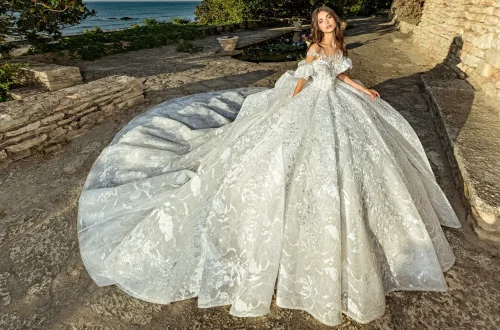
The 1950s represent the pinnacle of classic bridal design with full skirts, cinched waists, and an emphasis on ultra-feminine silhouettes that continue to influence modern bridal fashion.
Signature features:
- Full, crinoline-supported skirts creating dramatic ballgown silhouettes
- Tiny, cinched waists emphasizing hourglass figures
- Sweetheart necklines and modest off-shoulder details
- Tea-length options for daytime ceremonies and casual celebrations
- Luxurious fabrics including silk, satin, tulle, and intricate laces
Styling elements:
- Structured undergarments to create the perfect silhouette
- Pearl jewelry and classic bridal accessories
- Soft curls and elegant updos that complement the feminine aesthetic
- Classic pumps in white or ivory to match the gown
Best suited for: Traditional ceremonies, formal venues, brides who love classic femininity
1960s: Mod Revolution and Youthful Innovation
The swinging sixties brought youth culture to bridal fashion with shorter hemlines, geometric shapes, and a fresh, modern approach that challenged traditional bridal conventions.
Revolutionary elements:
- Mini and shift dress silhouettes that emphasized youth and freedom
- Geometric patterns and mod-inspired details
- High necklines and long sleeves for a sophisticated mod look
- A-line shapes that moved away from fitted bodices
- White go-go boots and other non-traditional footwear options
Contemporary interpretations:
- Clean, geometric jewelry designs
- Sleek, straight hairstyles or mod-inspired updos
- Bold eyeliner and pale lip colors
- Modern, architectural venues that complement the aesthetic
Perfect for: Non-traditional ceremonies, modern venues, fashion-forward brides
Understanding Vintage Construction and Quality
Identifying Authentic Vintage Elements
True vintage construction differs significantly from modern mass production, featuring hand-finished details and techniques that are rarely seen in contemporary gowns.
Quality indicators:
- Hand-sewn details including French seams and couture-level finishing
- Metal zippers rather than plastic ones (in appropriate eras)
- Silk or cotton linings rather than synthetic materials
- Hand-applied beadwork with individual stitching for each element
- Period-appropriate construction techniques for the claimed era
Sizing and Fit Considerations
Vintage sizing differs dramatically from modern sizing, requiring careful measurement and often professional alteration to achieve proper fit.
Important factors:
- Vintage sizes run 2-4 sizes smaller than contemporary sizing
- Different body proportions were standard in various eras
- Limited stretch in vintage fabrics requires precise fitting
- Structural elements like built-in bras may need updating
- Length adjustments may be challenging with certain construction methods
Condition Assessment
Evaluating vintage gown condition requires expertise in both fabric care and historical construction methods.
Condition checklist:
- Fabric integrity including strength, color retention, and absence of dry rot
- Seam condition and potential for alteration
- Hardware functionality including zippers, buttons, and closures
- Stain assessment and cleanability
- Structural soundness of boning, stays, and support elements
Where to Find Your Perfect Vintage Wedding Dress
Authentic Vintage Sources
Finding genuine vintage wedding dresses requires patience and knowledge of reputable sources that specialize in historical bridal wear.
Estate sales and auctions:
- Private estate sales often yield high-quality pieces with provenance
- Auction houses specializing in costume and fashion
- Online estate sale platforms that photograph and authenticate pieces
- Local auction houses that may have regional treasures
Specialized vintage bridal boutiques:
- Curated collections from knowledgeable dealers
- Authentication services and condition guarantees
- Alteration recommendations from experienced seamstresses
- Historical context and provenance information
Online marketplaces:
- Etsy for a wide selection of vintage and vintage-inspired pieces
- 1stDibs for high-end authenticated vintage couture
- Vestiaire Collective for luxury vintage and designer pieces
- Nearly Newlywed specializing in pre-owned bridal gowns
Vintage-Inspired Contemporary Options
For brides who love vintage aesthetics but prefer new construction, many contemporary designers offer vintage-inspired collections.
Benefits of vintage-inspired:
- Modern sizing and construction for better fit and comfort
- Updated materials that are easier to care for and alter
- Contemporary support systems built into period-inspired designs
- Warranty and return policies not available with true vintage
Leading vintage-inspired designers:
- Maggie Sottero offers extensive vintage-inspired collections
- Jenny Packham creates gowns with 1920s and 1930s influences
- Claire Pettibone specializes in romantic vintage aesthetics
- Rue de Seine combines vintage elements with bohemian touches
Caring for Your Vintage Wedding Dress
Pre-Purchase Evaluation
Before committing to a vintage gown, professional evaluation is essential to understand any necessary restoration or maintenance.
Professional services:
- Vintage textile experts who can assess fabric condition and stability
- Costume conservators for museum-quality pieces
- Experienced seamstresses familiar with historical construction
- Specialty dry cleaners who work with vintage and delicate fabrics
Restoration vs. Preservation
Deciding between restoration and preservation depends on the gown’s condition, your budget, and intended use.
Restoration considerations:
- Cost vs. value of extensive restoration work
- Impact on historical integrity of significant alterations
- Availability of period-appropriate materials for repairs
- Timeline requirements for complex restoration projects
Preservation priorities:
- Stabilizing existing condition to prevent further deterioration
- Minimal intervention approaches that maintain authenticity
- Proper storage to prevent additional damage
- Documentation of the gown’s history and condition
Wedding Day Protection
Vintage gowns require special consideration for wedding day wear to prevent damage while ensuring the bride’s comfort.
Protection strategies:
- Undergarment selection that provides support without stressing vintage construction
- Environmental considerations including weather protection and venue appropriateness
- Emergency repair kit with period-appropriate thread and small accessories
- Professional steaming rather than pressing to avoid fabric damage
Styling Your Vintage Wedding Look
Accessories: Completing the Historical Picture
Authentic vintage styling requires attention to period-appropriate accessories that complement rather than clash with historical aesthetics.
Jewelry considerations:
- Period-appropriate metals such as silver for earlier eras, gold for later periods
- Authentic vintage pieces or high-quality reproductions
- Scale and proportion appropriate to the era’s fashion sensibilities
- Family heirlooms that may bridge different historical periods
Headpieces and veils:
- Era-specific styles that complement the gown’s historical period
- Reproduction pieces made with traditional techniques
- Family veils that may require restoration or adaptation
- Professional millinery services for custom historical pieces
Hair and Makeup: Historical Beauty
Vintage wedding looks require beauty styling that matches the historical period while being flattering to modern faces.
Hair styling:
- Research period techniques and signature styles for your chosen era
- Professional stylists experienced in vintage techniques
- Practice sessions to perfect complicated historical styles
- Hair accessories that complement the chosen time period
Makeup approaches:
- Period-appropriate color palettes and application techniques
- Modern products that achieve historical looks with better longevity
- Professional makeup artists familiar with vintage styling
- Photography considerations for how historical makeup will appear in photos
The Economics of Vintage Wedding Dresses
Investment Considerations
Vintage wedding dresses can represent significant investments requiring careful financial planning and realistic expectation setting.
Cost factors:
- Rarity and designer significance dramatically affect pricing
- Condition and completeness of the original gown
- Alteration and restoration needs which can exceed the gown’s purchase price
- Insurance considerations for valuable vintage pieces
Budget Planning
Creating realistic budgets for vintage bridal wear requires understanding all associated costs beyond the initial purchase.
Hidden costs to consider:
- Professional cleaning before and after the wedding
- Storage and preservation for long-term care
- Insurance coverage for valuable or irreplaceable pieces
- Professional photography to document the gown’s beauty and historical significance
Resale Value and Legacy
Quality vintage wedding dresses often retain or increase their value, making them potential family heirlooms or investment pieces.
Value retention factors:
- Designer significance and historical importance
- Rarity and condition of the specific piece
- Market demand for particular eras or styles
- Provenance and documentation of the gown’s history
Vintage Wedding Dress Trends for 2026
Historical Revival Movements
2026 has seen renewed interest in specific historical periods, with particular emphasis on certain decades and design movements.


Currently trending eras:
- 1920s art deco for its geometric sophistication
- 1950s romanticism for classic feminine appeal
- 1970s bohemian influences combined with vintage construction
- Early 1960s elegance before the mod revolution took hold
Modern Technology Meets Historical Design
Contemporary conservation and construction techniques are being applied to vintage and vintage-inspired gowns.
Technological applications:
- 3D body scanning for precise vintage gown fitting
- Fabric preservation techniques extending the life of historical textiles
- Digital pattern recreation of historical construction methods
- Advanced cleaning methods that safely treat vintage fabrics
Sustainable Vintage Movement
Environmental consciousness is driving increased interest in vintage and recycled bridal fashion as sustainable alternatives to new production.
Sustainability benefits:
- Reduced environmental impact of new garment production
- Preservation of historical craftsmanship and design techniques
- Support for vintage dealers and historical preservation specialists
- Unique, non-replicable style choices that stand apart from mass production
Celebrity Vintage Wedding Inspiration
Iconic Vintage Moments
Celebrity vintage wedding choices continue to influence modern brides and demonstrate the enduring appeal of historical fashion.
Memorable moments:
- Kate Moss’s 1930s-inspired John Galliano gown set trends for bias-cut elegance

- Keira Knightley’s vintage-style Rodarte dress showed how vintage elements work in modern ceremonies
- Scarlett Johansson’s custom vintage-inspired gown demonstrated how historical elements can be updated
Modern Interpretations
Contemporary celebrities often choose vintage-inspired rather than authentic vintage, showing how historical elements can be incorporated into modern design.
Planning Your Vintage Wedding
Venue Selection for Historical Harmony
Vintage wedding dresses work best in venues that complement their historical aesthetic without creating jarring modern contrasts.
Ideal venue types:
- Historic houses and estates that match the gown’s era
- Classic hotels with period-appropriate architecture
- Museums and cultural institutions that appreciate historical significance
- Gardens and outdoor spaces that provide timeless natural settings
- Religious institutions with historical architecture and significance
Photography Considerations
Vintage gowns photograph differently than modern dresses, requiring photographers who understand how to capture their unique beauty.
Photography tips:
- Natural lighting that shows fabric textures and construction details
- Period-appropriate poses that complement the gown’s historical style
- Detail shots that capture unique vintage elements and craftsmanship
- Environmental choices that enhance rather than compete with vintage aesthetics

Conclusion: Your Vintage Love Story
Choosing a vintage wedding dress is about more than fashion – it’s about connecting with history, celebrating craftsmanship, and creating a unique bridal look that tells your personal story. In 2025, as brides increasingly seek meaningful alternatives to conventional choices, vintage wedding dresses offer the perfect combination of historical significance, exceptional quality, and timeless beauty.
Whether you choose an authentic 1920s beaded gown, a romantic 1950s ballgown, or a vintage-inspired contemporary creation, you’re participating in fashion history while creating your own unique wedding story. The key is finding a dress that speaks to your personal style while honoring the historical tradition it represents.
As you embark on your vintage wedding dress journey, remember that the perfect gown is one that makes you feel beautiful, confident, and connected to something larger than yourself – because that’s exactly what the best vintage fashion has always provided.