Shopping for a wedding dress is one of the most exciting parts of wedding planning, but it can also become surprisingly stressful. Many brides enter the process with unrealistic expectations, poor preparation, or too much outside influence. As a result, what should be a memorable experience sometimes becomes overwhelming.
The good news is that most wedding dress shopping mistakes are completely avoidable. Understanding the most common pitfalls can help you save time, reduce stress, and feel more confident when making your final decision.
Most Common Wedding Dress Mistakes
Starting Too Late
One of the biggest mistakes brides make is underestimating how long the process takes. Wedding dresses often need to be ordered months in advance, and alterations require additional appointments before the final fitting.
Waiting until the last minute can significantly reduce your options and may force you to pay rush fees or settle for a dress that isn’t your first choice.
Even if your wedding is still many months away, beginning research early gives you more flexibility and less pressure.
Bringing Too Many Opinions
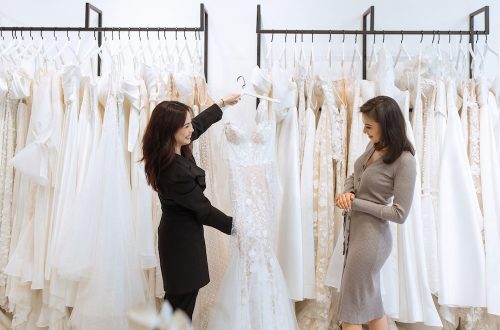
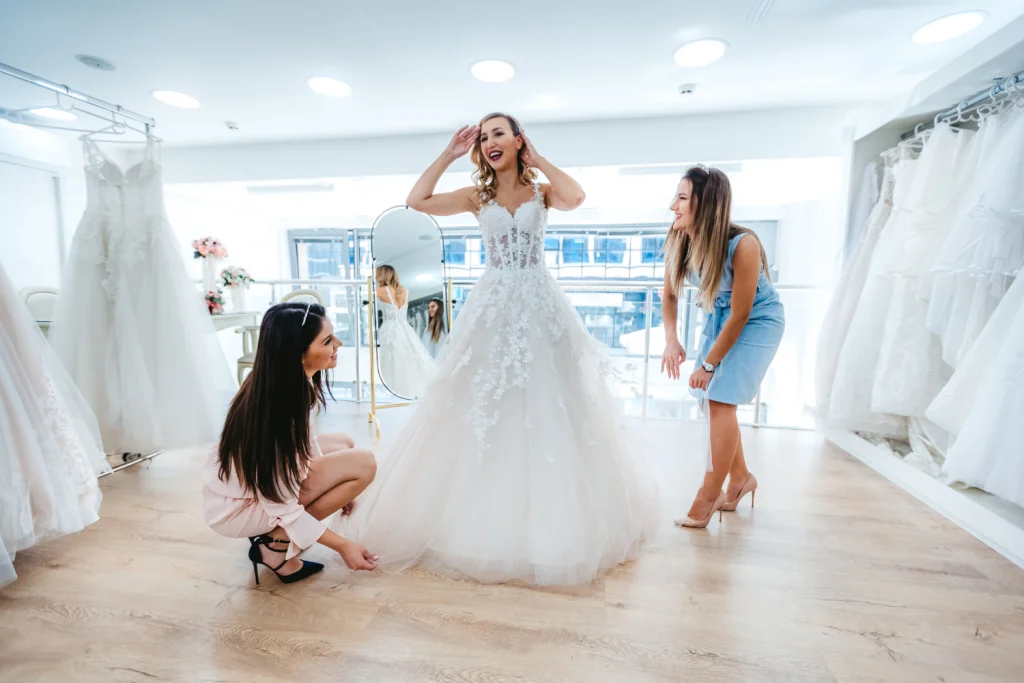
It is natural to want support from family and friends during bridal appointments. However, bringing too many people can quickly become counterproductive.
Every person has different tastes, expectations, and opinions. What one person loves, another may dislike. When too many voices are involved, brides often become confused about what they actually want.
A smaller group tends to create a more focused and enjoyable experience.
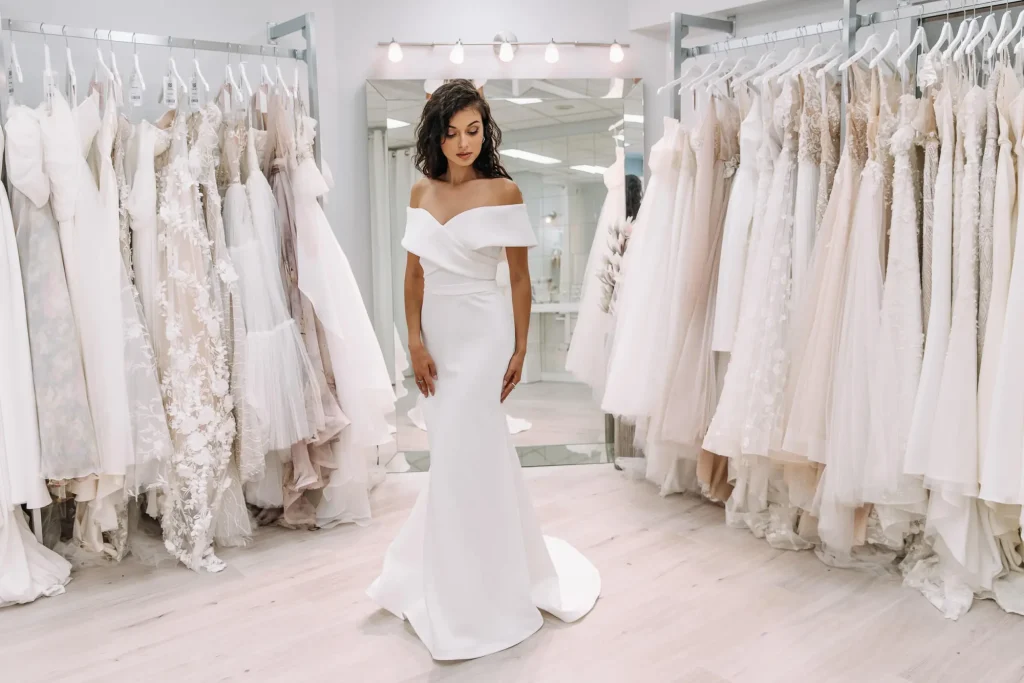
Consider bringing:
- A parent or close family member
- One or two trusted friends
- Someone who understands your personal style
The goal is support, not a committee vote.
Ignoring Your Budget
Trying on dresses far above your budget may seem harmless, but it often leads to disappointment. Once you fall in love with an expensive gown, more realistic options can become harder to appreciate.
A clear budget helps consultants recommend appropriate styles and keeps expectations realistic from the beginning.
Remember that your bridal budget should include more than just the dress itself. Alterations, accessories, veils, and preservation services can all increase the final cost.
Focusing Too Much on Trends
Social media has made bridal inspiration more accessible than ever, but it has also created pressure to follow trends.
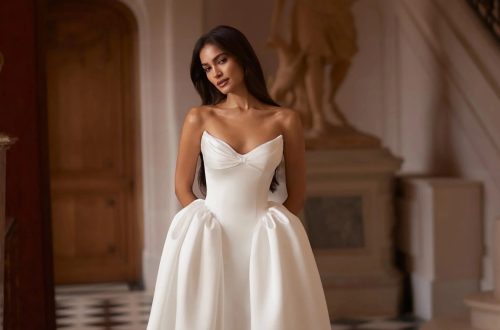
A dress that looks amazing on Instagram may not suit your personality, venue, or comfort level. Wedding photos last for decades, while trends often disappear within a few years.
Choosing a dress that reflects your own style usually leads to greater satisfaction than chasing whatever is currently popular.
Shopping Before Choosing a Venue
Your wedding venue influences many dress decisions. A heavily structured cathedral ballgown may feel perfect in a historic ballroom but impractical for a beach ceremony.
Understanding your venue, season, and wedding atmosphere helps narrow your options and makes shopping more productive.
Without that context, many brides waste time considering styles that ultimately won’t fit their wedding plans.
Overlooking Comfort
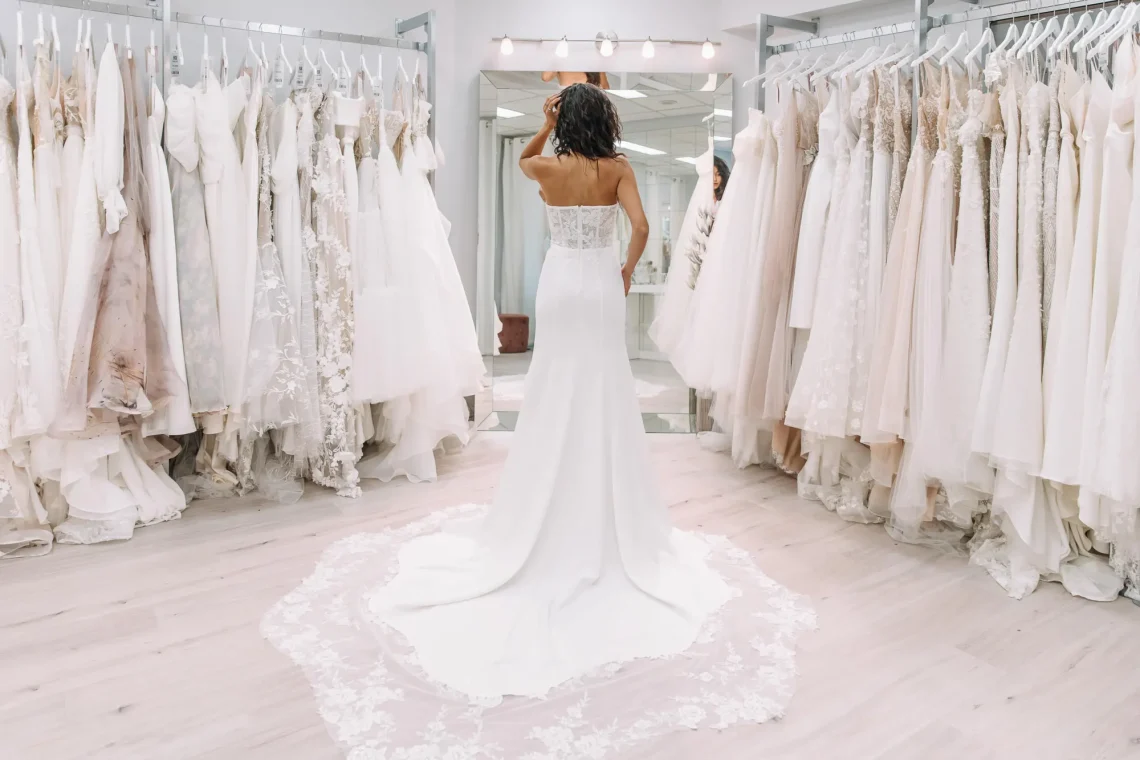
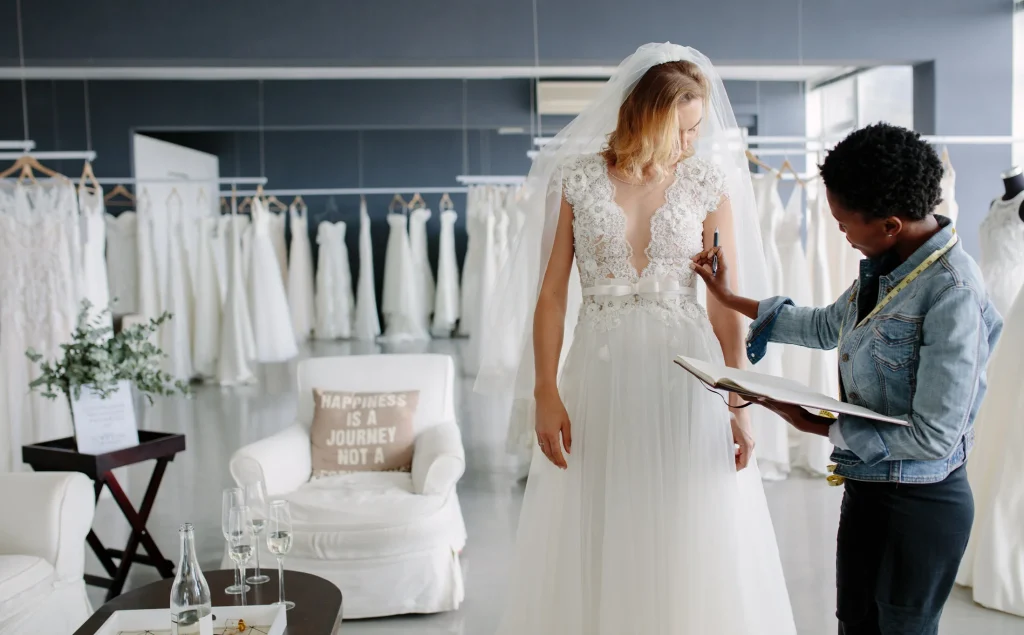
A wedding dress should not only look beautiful—it should also feel comfortable.
You’ll likely spend many hours wearing it while walking, sitting, dancing, and greeting guests. A dress that feels restrictive during a short fitting may become uncomfortable during a full wedding day.
Comfort should never be treated as an afterthought.
Hidden Mistakes Brides Often Overlook
Some mistakes are less obvious but equally important.
These include:
- Not considering venue and weather
- Ignoring alteration costs
- Forgetting about undergarments and shoes
- Skipping proper fittings
Each of these can affect the final result.
How to Avoid Wedding Dress Mistakes
To make better decisions:
- Start shopping 9–12 months in advance
- Set a clear budget
- Try different styles before deciding
- Prioritize fit and comfort
- Trust your instincts
Confidence is a key indicator that you’ve found the right dress.
Pro Tips from Bridal Experts
- Take photos during fittings
- Sit, walk, and move in the dress
- Choose breathable fabrics for long events
- Plan alterations early
These steps help avoid last-minute surprises.
FAQ
How many dresses should I try on?
Usually 5–10 is enough to understand your preferences.
What if I regret my choice?
Focus on styling and alterations — small changes can improve the look.
Can I change my dress later?
Yes, but it may involve additional costs.
Final Thoughts
Choosing a wedding dress should be a joyful and confident experience. By understanding and avoiding common mistakes, you can make better decisions and enjoy the process.
The perfect dress is not just about how it looks — it’s about how it feels when you wear it.