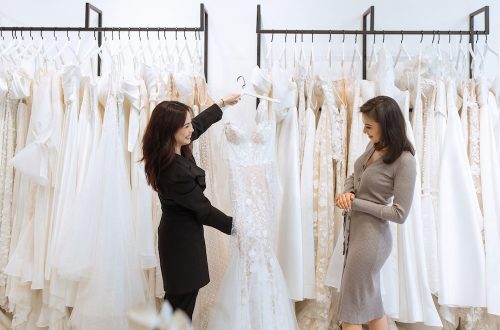
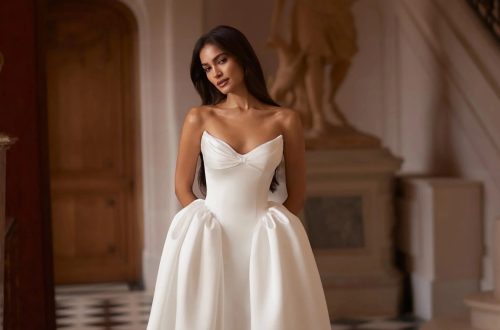
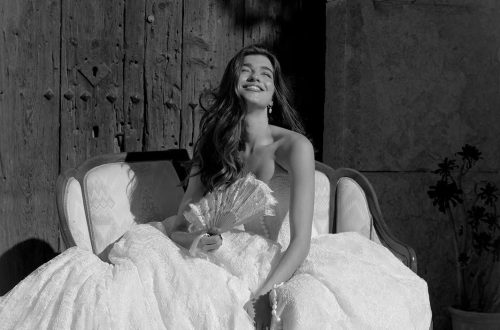
Choosing your wedding dress is one of the most exciting and important decisions you’ll make during your wedding planning journey. The perfect wedding dress should make you feel confident, beautiful, and authentically yourself while complementing your wedding style, venue, and personal aesthetic. With thousands of options available and varying price points, the process can feel overwhelming – but with the right guidance, you’ll find your dream gown with confidence.
Understanding Your Personal Style
Defining Your Bridal Aesthetic
Before stepping foot in a bridal salon, take time to understand your personal style preferences. Your wedding dress should be an elevated version of your everyday aesthetic, not a complete departure from who you are.
Key questions to ask yourself:
- What clothing silhouettes make you feel most confident in your daily life?
- Which fabrics and textures do you gravitate toward naturally?
- How formal or casual do you prefer to dress for special occasions?
- What fashion eras or styles have always appealed to you?
- Which celebrity or influencer wedding looks have caught your attention?
Creating Your Inspiration Board
Visual inspiration is crucial for communicating your vision to bridal consultants and staying focused during your shopping experience.
Effective inspiration gathering:
- Save images from multiple sources including Pinterest, Instagram, bridal magazines, and designer websites

- Look for common themes in the dresses you’re drawn to – similar necklines, silhouettes, or details
- Note what you dislike as much as what you love – this helps eliminate options quickly
- Consider the overall wedding aesthetic and how your dress fits into that vision
- Include inspiration for hair, makeup, and accessories to envision your complete bridal look
Setting Your Wedding Dress Budget
Understanding True Wedding Dress Costs
Your wedding dress budget should encompass more than just the gown price tag. Understanding all associated costs prevents surprises and allows for realistic planning.
Complete budget breakdown:
- Base dress price (typically 60-70% of total dress budget)
- Alterations (usually 15-25% of dress cost, or $200-600 average)
- Undergarments (specialized bras, shapewear, crinolines: $50-200)
- Accessories (veil, shoes, jewelry: $200-800+)
- Professional cleaning pre-wedding ($100-200)
- Preservation post-wedding ($200-500 if desired)
- Rush fees if timeline is compressed ($200-500)
Budget Allocation Strategies
Smart budget planning ensures you get the best dress for your investment:
The 7% Rule: Wedding attire typically represents 7% of your total wedding budget. For a $30,000 wedding, this suggests a $2,100 dress budget.
Priority-Based Budgeting:
- High Priority: If your dress is your top wedding priority, allocate 10-12% of total budget
- Medium Priority: Standard 7% allocation works well for balanced priorities
- Lower Priority: 4-5% if you prefer to invest more heavily in other wedding elements
Money-Saving Strategies:
- Sample sales can offer 30-60% savings on designer gowns
- Previous season styles often discounted significantly
- Trunk shows sometimes include purchase incentives
- Off-the-rack options eliminate lengthy production times and rush fees
Understanding Body Types and Flattering Silhouettes
The Science of Flattering Fit
Understanding how different silhouettes interact with various body types helps you make confident choices and communicate effectively with bridal consultants.
Apple Body Type (Fuller Midsection)
Best silhouettes for apple shapes:
- Empire waist gowns that sit just below the bust, creating a long, flowing line
- A-line dresses that skim over the midsection while defining the natural waist
- Fit-and-flare styles that emphasize the smallest part of your torso
- V-neck or scoop necklines that draw attention upward
- Wrap-style bodices that create a defined waistline
Avoid: Tight-fitting sheaths, belt details at natural waist, high necklines that truncate the torso
Pear Body Type (Fuller Hips and Thighs)
Flattering choices for pear shapes:
- Ballgowns and full A-lines that balance proportions by adding volume to the upper body
- Off-shoulder or boat necklines that broaden the shoulder line
- Detailed bodices with beading, lace, or texture that draw attention upward
- Structured bodices that define and enhance the bust area
- Chapel or cathedral trains that create vertical lines
Avoid: Mermaid silhouettes, hip-hugging fit, minimal top details, straight or sheath dresses
Hourglass Body Type (Balanced Bust and Hips, Defined Waist)
Ideal silhouettes for hourglass figures:
- Mermaid and trumpet styles that celebrate and highlight natural curves
- Fitted bodices with full skirts that emphasize the waist while showing off proportions
- Sweetheart necklines that complement the bust line
- Natural waist placement that shows off your smallest point
- Structured corsetry that enhances your natural shape
Avoid: Empire waists that hide your natural waist, boxy or loose-fitting styles, drop-waist designs
Rectangle Body Type (Similar Measurements Throughout)
Shape-enhancing options for rectangle figures:
- Ballgowns and full A-lines that create the illusion of curves
- Fit-and-flare styles that define a waist where one may not naturally exist
- Detailed embellishments at the bust and hip areas to add visual interest
- Belts or sashes that create waist definition
- Layered skirts that add dimension and femininity
Avoid: Straight column or sheath dresses, minimal embellishment, natural waist placement without enhancement
Petite Frame Considerations
Special considerations for petite brides (5’4″ and under):
- Avoid overwhelming details that can dwarf a smaller frame
- Choose proportional trains – chapel length rather than cathedral
- Consider tea-length or knee-length styles for casual weddings
- Opt for higher waistlines that elongate the leg line
- Select appropriately sized embellishments that complement rather than overpower
Plus-Size Beauty Enhancement
Celebrating curves with confidence:
- Focus on fit over size – proper construction and tailoring are key
- Choose supportive undergarments that create smooth lines
- Consider structured bodices that provide shape and support
- Embrace details that highlight your favorite features – beautiful shoulders, décolletage, or waist
- Don’t shy away from form-fitting styles if they make you feel confident
Matching Your Dress to Wedding Style and Venue
Indoor Venue Considerations
Formal ballrooms and historic mansions:
- Dramatic ballgowns and cathedral trains suit grand spaces beautifully
- Luxurious fabrics like silk, taffeta, and beaded materials complement elegant settings
- Formal silhouettes including mermaid, trumpet, and structured A-lines work well
- Intricate details and embellishments are showcased effectively in formal lighting
Modern venues and art galleries:
- Clean, architectural lines complement contemporary spaces
- Minimalist designs with interesting structural elements
- Sleek fabrics like crepe, silk, and modern materials
- Geometric details that echo modern design principles
Churches and religious venues:
- Conservative necklines and sleeve coverage respect traditional settings
- Classic silhouettes that honor the sacred nature of the space
- Traditional fabrics and time-honored construction techniques
- Appropriate train lengths that navigate aisles gracefully
Outdoor Wedding Considerations
Garden and vineyard ceremonies:
- Flowing A-lines and soft fabrics that move beautifully in outdoor breezes
- Romantic details like floral lace, soft embellishments, and organic textures
- Tea-length or high-low hemlines that avoid dragging through grass or dirt
- Breathable fabrics for comfort in varying temperatures
Beach and destination weddings:
- Lightweight fabrics like chiffon, organza, and silk that won’t be damaged by sand and salt air
- Relaxed silhouettes that allow for easy movement and comfort
- Minimal trains or detachable train options for ceremony vs. reception
- Simple, elegant lines that photograph beautifully against natural backdrops
Mountain and rustic venues:
- Bohemian and vintage-inspired styles that complement natural settings
- Textured fabrics and interesting details that add visual interest
- Practical hemlines that navigate uneven terrain
- Layering options like wraps or jackets for temperature changes

Seasonal Dress Selection
Spring Weddings (March-May)
Ideal spring dress characteristics:
- Light to medium-weight fabrics suitable for variable temperatures
- Soft, romantic details that echo the season’s renewal and growth
- Pastel or soft color accents that complement spring florals
- Floral lace patterns or embroidered details that celebrate the season
- Layering options like boleros or wraps for unpredictable weather
Summer Weddings (June-August)
Hot weather considerations:
- Breathable fabrics like chiffon, organza, and lightweight silk
- Minimal sleeves or sleeveless styles for comfort in heat
- Lighter construction with less structured undergarments
- Shorter trains or bustling options for outdoor receptions
- Sweat-resistant fabrics that maintain their beauty throughout long days
Fall Weddings (September-November)
Autumn elegance features:
- Richer, more structured fabrics like silk, taffeta, and brocade
- Longer sleeves and higher necklines for cooler temperatures
- Deeper color accents that complement fall foliage
- Textured fabrics and interesting details that add visual warmth
- Layering pieces that can be added or removed as needed

Winter Weddings (December-February)
Cold weather glamour:
- Heavy, luxurious fabrics like velvet, brocade, and heavy silk
- Long sleeves and covered necklines for warmth and elegance
- Dramatic details like fur stoles, capes, or wraps
- Rich embellishments that catch and reflect indoor lighting
- Closed-toe shoe options and appropriate undergarments for warmth
The Wedding Dress Shopping Process
Timeline Planning
Optimal wedding dress shopping timeline:
12-15 months before wedding:
- Begin research and inspiration gathering
- Set budget and identify preferred salons
- Book initial appointments, especially for popular weekends
9-12 months before wedding:
- Intensive shopping period
- Try on multiple styles and silhouettes
- Make final decision and place order
6-8 months before wedding:
- Order placed and production begins
- Begin researching alteration specialists
- Finalize accessory selections
3-4 months before wedding:
- First fitting and initial alterations
- Shoe purchase for accurate hemming
- Undergarment fitting and selection
4-6 weeks before wedding:
- Final fittings and adjustments
- Press and pickup arrangements
- Final accessory coordination
Appointment Preparation
Making the most of your bridal appointments:
Before you go:
- Research the salon and designer collections they carry
- Eat a proper meal before appointments to maintain energy
- Bring appropriate undergarments including strapless bras and seamless underwear
- Wear or bring shoes similar to your planned wedding shoe height
- Limit your entourage to 2-3 trusted opinions
- Set realistic expectations about trying on multiple styles
During appointments:
- Be open to consultant suggestions – they have experience with what works
- Try on different silhouettes even if you think you know what you want
- Take photos (if permitted) to compare dresses later
- Move around in each dress – sit, walk, dance a little
- Pay attention to comfort as well as appearance
- Ask questions about construction, alteration possibilities, and timeline
Decision-Making Strategies
The “Yes to the Dress” Moment
Recognizing when you’ve found “the one”:
Emotional indicators:
- Immediate comfort when you put on the dress
- Confidence boost that makes you stand taller
- Easy visualization of yourself walking down the aisle
- Excitement rather than anxiety when looking in the mirror
- Inability to stop thinking about a particular dress
Practical confirmation:
- Budget alignment without financial stress
- Timeline feasibility for production and alterations
- Venue appropriateness for your wedding style
- Movement comfort for your planned activities
- Photography considerations – how it will look in pictures
Managing Opinions and Pressure
Navigating family and friend input:
Setting boundaries:
- Choose your shopping companions carefully – bring only supportive, honest voices
- Communicate your vision clearly before shopping trips
- Remember it’s your day and your choice ultimately
- Trust your instincts even when others disagree
- Consider doing some shopping solo to hear your own voice clearly
Dealing with budget pressure:
- Be firm about your budget limits with consultants and family
- Remember that expensive doesn’t always mean better for you
- Focus on how the dress makes you feel rather than price comparisons
- Consider the total wedding picture when allocating funds
Special Considerations and Situations
Second Weddings and Remarriage
Choosing appropriate second wedding attire:
- No hard rules about color or formality for second weddings
- Consider the tone of your celebration rather than traditional expectations
- Choose what makes you feel beautiful regardless of previous choices
- Think about photography goals and how you want to look in this set of wedding photos
Pregnancy and Wedding Dresses
Shopping while expecting:
- Order larger than current size to accommodate growth
- Choose empire waists or A-line silhouettes that accommodate changing figures
- Plan for extensive alterations closer to the wedding date
- Consider comfort factors like support, temperature, and movement
- Communicate openly with consultants about your timeline and concerns
Elopements and Intimate Ceremonies
Scaling your dress to your celebration:
- Match formality to guest count and venue intimacy
- Consider versatility – can you wear it again or in different settings?
- Think about photography – simpler celebrations often mean closer, more detailed photos
- Budget differently – you may choose to invest more or less depending on priorities
Cultural and Religious Considerations
Honoring traditions while expressing personal style:
- Research cultural dress requirements well in advance
- Consider incorporating traditional elements like specific colors, fabrics, or accessories
- Work with designers familiar with cultural wedding attire
- Plan for multiple outfit changes if traditions require different looks for different ceremonies
Common Wedding Dress Shopping Mistakes to Avoid
Size and Fit Mistakes
Sizing errors that cause problems:
- Ordering too small hoping to lose weight before the wedding
- Ordering too large thinking it’s easier to take in than let out
- Not accounting for height with heels when determining length
- Ignoring seasonal weight fluctuations in sizing decisions
- Not considering undergarment choices when determining fit
Timeline and Planning Mistakes
Timing errors that create stress:
- Starting too late for your preferred designer or salon
- Rushing decisions due to compressed timelines
- Not factoring in alteration time when setting shopping schedules
- Underestimating production times especially for custom or imported gowns
- Forgetting about holiday closures that might affect production
Budget and Financial Mistakes
Money-related errors to avoid:
- Not setting a firm budget before beginning to shop
- Falling in love with dresses significantly over budget
- Underestimating alteration costs in initial budgeting
- Not reading cancellation policies carefully before ordering
- Forgetting about accessories and undergarments in budget planning
Finalizing Your Choice
Making the Final Decision
Confirming your choice with confidence:
- Sleep on it if you’re feeling uncertain about a major purchase
- Revisit your inspiration board to ensure alignment with your vision
- Consider the total wedding picture and how your choice fits
- Trust your gut feeling over external opinions
- Make peace with “imperfection” – no dress will be 100% perfect for everyone
Placing Your Order
Important steps when ordering your gown:
- Read all contracts carefully including cancellation and alteration policies
- Confirm delivery timeline and any rush options available
- Understand payment schedules and methods
- Get everything in writing including specific dress details and customizations
- Keep all receipts and documentation for insurance and alteration purposes
Post-Purchase Planning
Alteration Planning
Preparing for the alteration process:
- Research qualified seamstresses immediately after purchase
- Understand typical alteration costs for your dress style
- Schedule appointments well in advance, especially during busy seasons
- Purchase your actual wedding shoes before first fittings
- Plan for multiple fittings in your timeline
Dress Care and Storage
Protecting your investment before the wedding:
- Store in appropriate conditions away from light, heat, and moisture
- Use acid-free garment bags and padded hangers
- Avoid frequent handling to prevent fabric stress or staining
- Plan professional steaming rather than home pressing
- Consider insurance for expensive gowns
Conclusion: Trusting Your Journey
Choosing your perfect wedding dress is a deeply personal journey that combines practical considerations with emotional connection. The “perfect” dress isn’t necessarily the most expensive, the most elaborate, or the most trendy – it’s the one that makes you feel like the most beautiful, confident version of yourself.
Remember that your wedding dress is just one element of your special day, albeit an important one. It should enhance your natural beauty, complement your wedding style, and most importantly, make you feel authentically yourself. Whether you choose a simple sheath that costs $200 or an elaborate ballgown that costs $5,000, the right choice is the one that aligns with your vision, budget, and personal style.
As you navigate this exciting process, trust your instincts, stay true to your budget, and don’t be afraid to take your time. The perfect wedding dress is out there waiting for you – and with thoughtful planning, careful consideration, and an open mind, you’ll find it. Your wedding day will be magical not because your dress was perfect, but because you felt perfect in it.
The journey to finding your dream dress should be enjoyable and empowering. Embrace the process, celebrate the milestone, and remember that at the end of the day, you’re not just choosing a dress – you’re preparing to celebrate one of the most important days of your life. Your perfect wedding dress is the one that helps you do that with confidence, joy, and authentic beauty.