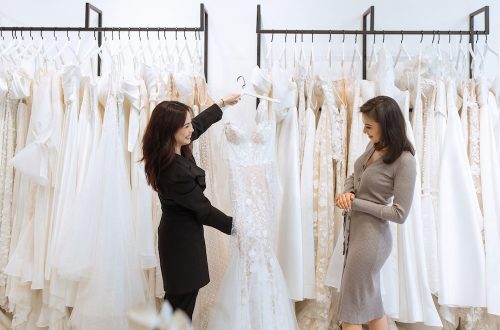
Your wedding dress should fit you like it was made exclusively for you – and with proper alterations, it can. Professional wedding dress alterations transform a beautiful gown into your perfect dress, ensuring comfort, confidence, and stunning photos on your special day. This comprehensive guide covers everything you need to know about the fitting and alteration process, from choosing the right seamstress to your final fitting.

Understanding Wedding Dress Alterations
What Are Wedding Dress Alterations?
Wedding dress alterations are specialized adjustments made to ensure your gown fits your body perfectly. Unlike regular clothing alterations, bridal alterations require expertise in handling delicate fabrics, intricate construction, and often complex embellishments.
Why most wedding dresses need alterations:
- Sample sizes in salons typically run in limited sizes (usually 8-12)
- Standard sizing doesn’t account for individual body proportions
- Weight fluctuations between ordering and wedding day
- Personal preferences for fit, length, and comfort
- Venue requirements may necessitate length or style adjustments
- Undergarment choices can affect fit and silhouette
The Difference Between Bridal and Regular Alterations
Bridal alterations require specialized skills and knowledge:
- Complex construction with multiple layers, boning, and structure
- Delicate fabrics requiring specialized handling techniques
- Intricate embellishments that must be preserved during adjustments
- Unique silhouettes that don’t follow standard clothing patterns
- Time-sensitive deadlines with no room for errors
- Emotional significance requiring extra care and attention
Types of Wedding Dress Alterations
Common Alteration Categories
Length Adjustments (Hemming)
Most common alteration, affecting 90% of wedding dresses:
- Standard hem – simple straight-across shortening
- Curved hem – follows the dress’s natural curve for A-line and ballgown styles
- Multi-layer hem – each layer adjusted separately for proper drape
- Train adjustment – shortening or lengthening dramatic trains
- Bustle creation – mechanism to lift train for reception dancing
Cost range: $75-$300 depending on complexity and number of layers
Bust and Bodice Adjustments
Critical for proper support and silhouette:
- Taking in sides – reducing overall dress size
- Letting out seams – expanding dress size (limited by seam allowance)
- Bust adjustment – reshaping cups for proper fit and support
- Strap adjustment – shortening or lengthening for proper shoulder fit
- Neckline modification – adjusting depth or width of necklines
Cost range: $50-$200 per adjustment area
Structural Modifications
More complex changes to dress construction:
- Adding or removing sleeves – changing the dress’s overall style
- Neckline reconstruction – changing from one neckline style to another
- Back closure changes – switching between lace-up, zipper, or button closures
- Waistline adjustment – moving the waist position up or down
- Silhouette modification – changing from A-line to fit-and-flare, etc.
Cost range: $100-$500+ depending on complexity

Embellishment Work
Preserving and relocating decorative elements:
- Bead or crystal reapplication after size adjustments
- Lace repositioning to maintain pattern continuity
- Appliqué adjustment for proper placement after alterations
- Belt or sash modification for new measurements
- Button replacement or repositioning
Cost range: $25-$150+ depending on intricacy
Advanced Alteration Techniques
Corset Back Addition
Converting zipper closures to adjustable lace-up backs:
- Benefits: More forgiving fit, easier size adjustments, vintage aesthetic
- Considerations: Changes back design, requires proper corset construction
- Timeline: 2-3 weeks for proper implementation
- Cost: $150-$400 depending on dress complexity

Bustle Styles and Construction
Essential for managing trains during reception:
American Bustle (Over-Bustle):
- Train folds up and over the dress
- Creates fuller back silhouette
- Best for ballgowns and A-line dresses
- More visible bustle points
French Bustle (Under-Bustle):
- Train folds under the dress
- Cleaner, more streamlined appearance
- Better for slim or mermaid silhouettes
- Hidden bustle points
Austrian Bustle:
- Multiple points create scalloped train pickup
- Most complex but most elegant option
- Best for cathedral or chapel trains
- Requires expert seamstress
Cost range: $75-$200 depending on style complexity
Timeline for Wedding Dress Fittings
Optimal Fitting Schedule
First Fitting (8-10 Weeks Before Wedding)
Initial assessment and major adjustments:
- What happens: Comprehensive fit evaluation, pinning major adjustments
- Duration: 45-90 minutes
- What to bring: Wedding shoes, undergarments, any accessories affecting fit
- Decisions made: Length, basic fit adjustments, bustle style
- Timeline: Changes implemented over 2-3 weeks
Second Fitting (4-6 Weeks Before Wedding)
Progress check and refinements:
- What happens: Try on with initial changes, fine-tune adjustments
- Duration: 30-60 minutes
- What to bring: Same items as first fitting, plus any new accessories
- Focus areas: Comfort, movement, final length check
- Timeline: Final adjustments completed within 1-2 weeks
Final Fitting (1-2 Weeks Before Wedding)
Last check and pickup:
- What happens: Final try-on, quality check, dress pickup
- Duration: 15-30 minutes
- What to bring: Complete wedding day outfit and accessories
- Final checks: Perfect fit, comfort, all alterations complete
- Takeaway: Dress care instructions, emergency contact information
Rush Timeline Considerations
When you have limited time (less than 6 weeks):
- Additional fees typically apply ($100-$500+)
- Limited alteration scope – only essential changes possible
- Compressed fitting schedule with potentially fewer appointments
- Higher stress levels for both bride and seamstress
- Reduced flexibility for changes or adjustments
Choosing Your Alteration Specialist
Finding the Right Seamstress
Essential Qualifications to Look For:
- Bridal specialization with extensive wedding dress experience
- Professional references and portfolio of work
- Proper workspace with appropriate equipment and lighting
- Clear communication about process, timeline, and costs
- Insurance coverage protecting against damage or loss
- Realistic timeline expectations and availability
Questions to Ask Potential Seamstresses:
- How many wedding dresses do you alter per year?
- What is your experience with my dress style/designer?
- Can you show examples of similar alterations?
- What is your typical timeline for my needed alterations?
- Do you provide written estimates and timelines?
- What happens if something goes wrong or needs to be redone?
- Do you offer emergency services or rush jobs?
Red Flags to Avoid
Warning signs when choosing an alteration specialist:
- Unwillingness to provide references or show previous work
- Vague pricing or reluctance to provide written estimates
- Unrealistic timelines promising complex work too quickly
- Poor communication or difficulty reaching them
- Unprofessional workspace or inadequate equipment
- Pressure to make unnecessary or expensive changes
- No insurance or liability protection
Alteration Costs and Budgeting
Average Alteration Costs by Type
Basic Alterations:
- Simple hem (single layer): $75-$150
- Complex hem (multiple layers): $150-$300
- Side seam adjustment: $50-$100 per side
- Strap shortening: $25-$50
- Basic bustle: $75-$150
Intermediate Alterations:
- Bodice reconstruction: $100-$200
- Sleeve addition: $150-$400
- Neckline modification: $100-$300
- Waist adjustment: $75-$200
- Complex bustle: $150-$250
Advanced Alterations:
- Complete resizing (3+ sizes): $300-$600+
- Silhouette change: $400-$800+
- Extensive beadwork: $200-$500+
- Structural reconstruction: $500-$1000+
- Designer gown preservation: $100-$300 additional
Factors Affecting Alteration Costs
Elements that influence pricing:
- Dress complexity – layers, structure, embellishments
- Fabric type – delicate materials require special handling
- Amount of change needed – major vs. minor adjustments
- Timeline constraints – rush jobs cost more
- Geographic location – urban areas typically cost more
- Seamstress expertise – specialists command higher fees
- Dress designer – some require specific techniques or materials
Budgeting Strategies
Planning your alteration budget:
- Budget 15-25% of dress cost for alterations
- Get written estimates before committing to work
- Factor in rush fees if your timeline is compressed
- Consider insurance for expensive gowns during alteration
- Set aside contingency funds for unexpected issues
- Compare prices but prioritize expertise over cost savings
What to Expect During Fittings
Preparing for Your Fitting Appointments
What to Wear and Bring:
- Actual wedding shoes or exact heel height match
- Wedding day undergarments including bra, shapewear, and hosiery
- Hair styling tools to approximate wedding day hairstyle
- Any accessories that might affect fit (jewelry, hair pieces)
- Inspiration photos showing desired final look
- Notebook for taking notes about adjustments
Physical and Emotional Preparation:
- Maintain consistent weight throughout alteration period
- Stay hydrated and eat before long appointments
- Bring a trusted friend for emotional support and second opinion
- Arrive with realistic expectations about what can be achieved
- Be prepared to communicate clearly about fit preferences
- Allow extra time for appointments to avoid feeling rushed
During the Fitting Process
First Fitting Experience:
- Complete dress try-on with all undergarments and shoes
- Comprehensive evaluation of fit in all areas
- Discussion of desired changes and realistic possibilities
- Pinning of alterations while you’re wearing the dress
- Movement testing – walking, sitting, raising arms
- Timeline discussion and appointment scheduling
What to expect: 45-90 minutes of detailed attention, multiple adjustments, and thorough communication about the process ahead.
Subsequent Fittings:
- Progress evaluation of previous alterations
- Fine-tuning adjustments for perfect fit
- Comfort and mobility testing in the altered dress
- Final detail discussions including bustle and emergency repairs
- Care instruction review for dress maintenance
Communication During Fittings
Effective communication with your seamstress:
- Be specific about fit preferences and concerns
- Speak up immediately if something doesn’t feel right
- Ask questions about the process and timeline
- Request explanations for recommended changes
- Discuss any concerns about comfort or appearance
- Trust professional expertise while advocating for your preferences
Special Alteration Situations
Pregnancy and Wedding Dress Alterations
Considerations for expecting brides:
- Order larger sizes to accommodate growth
- Plan for multiple fittings as body changes
- Choose empire or A-line silhouettes for easier adjustment
- Consider comfort factors like support and mobility
- Plan timeline carefully around pregnancy progression
- Discuss contingency plans with your seamstress
Timeline recommendations:
- First fitting: As late as safely possible (6-8 weeks before)
- Second fitting: 2-3 weeks before wedding
- Final fitting: 1 week before wedding
- Emergency adjustment plan: Day-of modifications if needed
Weight Change Considerations
Managing weight fluctuations during alterations:
- Maintain stable weight once alterations begin
- Communicate any changes to your seamstress immediately
- Understand limitations of size adjustments in either direction
- Plan final fitting timing carefully for weight stabilization
- Consider gradual adjustments if significant changes are expected
Guidelines for weight change:
- Minor fluctuations (5-10 lbs): Usually manageable with existing alterations
- Moderate changes (10-20 lbs): May require additional alteration work
- Significant changes (20+ lbs): May require ordering new dress
Destination Wedding Alterations
Special considerations for destination weddings:
- Complete all alterations before travel
- Pack dress carefully in appropriate garment bag
- Research local seamstresses at destination for emergencies
- Bring emergency sewing kit with matching thread and basic supplies
- Plan for potential shipping if major issues arise
- Consider wrinkle-resistant fabrics and simpler silhouettes
Emergency Alterations and Last-Minute Changes
Common Last-Minute Issues
Problems that may arise close to the wedding:
- Unexpected weight change affecting fit
- Damage during transport or storage
- Broken zippers, buttons, or closures
- Strap or seam failure
- Staining or discoloration
- Lost or damaged accessories
Emergency Alteration Solutions
When you need immediate help:
- Contact your seamstress first – they know your dress best
- Have backup seamstress contacts from other brides or vendors
- Consider temporary fixes like fashion tape or safety pins
- Know your dress details – fabric, construction, designer
- Keep alteration receipts and photos for insurance claims if needed
Prevention Strategies
Avoiding last-minute emergencies:
- Complete fittings early with buffer time built in
- Handle dress carefully during storage and transport
- Maintain stable weight throughout alteration period
- Have emergency contact list including seamstress and dry cleaner
- Pack emergency kit with basic repair supplies
- Consider dress insurance for expensive or irreplaceable gowns
Alteration Aftercare and Maintenance
Post-Alteration Care
Protecting your investment after alterations:
- Professional steaming rather than home pressing
- Proper hanging with appropriate hangers and support
- Climate-controlled storage away from light and moisture
- Protective covering with breathable garment bags
- Minimal handling to prevent fabric stress or damage
Wedding Day Preparation
Final dress preparation:
- Professional steaming 1-2 days before wedding
- Final quality check for any loose threads or issues
- Bustle instruction review with your bridal party
- Emergency kit preparation with seamstress contact
- Transport planning to avoid wrinkles or damage
Post-Wedding Options
After your special day:
- Professional cleaning within 6 months of wedding
- Preservation services for long-term storage
- Alteration for reuse – shortening for other occasions
- Donation or resale after professional cleaning
- Keepsake creation from fabric or dress elements
Working with Different Dress Styles
Ballgown Alterations
Special considerations for full skirts:
- Multi-layer hemming requires expertise with each layer
- Crinoline adjustment may be needed with length changes
- Bustling complexity due to volume and structure
- Storage and transport challenges due to size
- Movement considerations for ceremony and reception
Mermaid and Trumpet Alterations
Fitted silhouette challenges:
- Limited size adjustment capability due to construction
- Hip and thigh fit critical for comfort and appearance
- Seam placement affects overall silhouette
- Stretchy fabric considerations for movement and comfort
- Undergarment integration essential for smooth lines
A-Line Alterations
Most alteration-friendly silhouette:
- Flexible size adjustments in most areas
- Straightforward hemming process
- Easy bustling due to balanced proportions
- Versatile styling options for different preferences
- Comfortable fit adjustments for all-day wear
Destination and Beach Wedding Adjustments
Special considerations for outdoor/casual weddings:
- Practical length for walking on sand or grass
- Lightweight fabric choices for comfort
- Simple embellishment to avoid damage from elements
- Easy care requirements for destination weddings
- Packable construction for travel considerations
Quality Control and Final Inspection
Pre-Wedding Quality Check
What to inspect at your final fitting:
- Seam integrity – no loose threads or weak points
- Embellishment security – beads, sequins, lace properly attached
- Hardware functionality – zippers, buttons, snaps work smoothly
- Hem evenness – consistent length all around
- Fit comfort – no pinching, pulling, or restriction
- Bustle mechanism – easy to use and secure
Red Flags at Final Fitting
Issues that require immediate attention:
- Visible alteration marks or damage from pinning
- Uneven hemlines or crooked seams
- Poor color matching in thread or fabric patches
- Uncomfortable fit that restricts movement
- Incomplete alterations from your agreed-upon list
- Quality degradation from the original dress condition
Conclusion: Achieving Your Perfect Fit
Professional wedding dress alterations are an investment in your comfort, confidence, and happiness on your wedding day. The right seamstress will work with you to ensure your dress fits like it was custom-made for your body, your style, and your special day.
Remember that alterations are a collaborative process requiring clear communication, realistic expectations, and trust in your chosen professional. Start the process early, be prepared for your appointments, and don’t hesitate to speak up about your preferences and concerns.
Your wedding dress should make you feel like the most beautiful version of yourself – and with proper alterations, it will. The time and investment you put into achieving the perfect fit will pay dividends in comfort, confidence, and stunning wedding photos that you’ll treasure forever.
The alteration process is your opportunity to make a beautiful dress uniquely yours. Embrace the journey, trust the process, and look forward to the moment when you slip into your perfectly fitted gown on your wedding morning – knowing that every detail has been crafted specifically for you and your special day.